






Our Programs

Applied Epidemiology

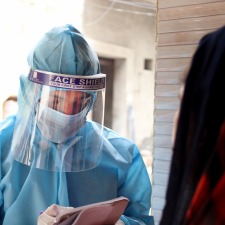
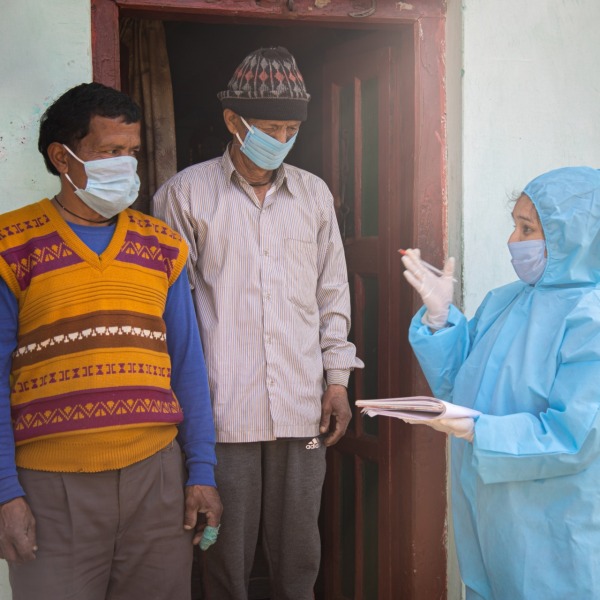
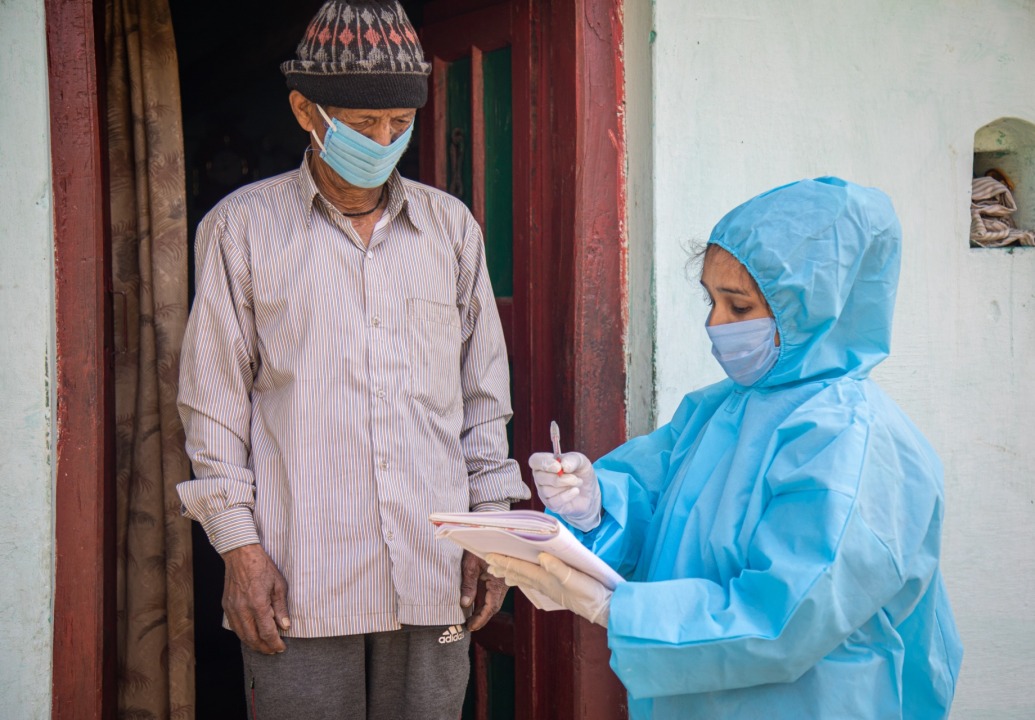
health-worker-performing-house-visit

Generating Data for the Prevention of Infectious Diseases

Our Applied Epidemiology program partners with local researchers in high-risk communities to gather and analyze data on infectious disease spread and the impact of new vaccines.

Positioned at the intersection of research and policy, the team strengthens the evidence base through an expansive research portfolio and subsequently, translates that evidence into action for prevention.

Generating Evidence for Action

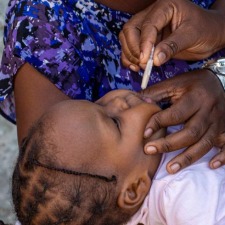
Our Applied Epidemiology Program generates evidence for vaccine policy makers, including conducting clinical surveillance to measure burden of disease and studying vaccine safety and immunogenicity, effectiveness, and impact. We are committed to generating actionable results, and use our global advocacy experience to translate data into tools for the prevention of infectious diseases.

Our team designs and implements studies generating evidence on the safety and immunogenicity, effectiveness, and impact of vaccines. Recently, we have worked alongside partners to measure the effectiveness of a vaccine against dengue in Brazil, the impact of typhoid conjugate vaccine in Pakistan, and the safety and immunogenicity of fractional dose vaccines against SARS-CoV-2, among other projects.

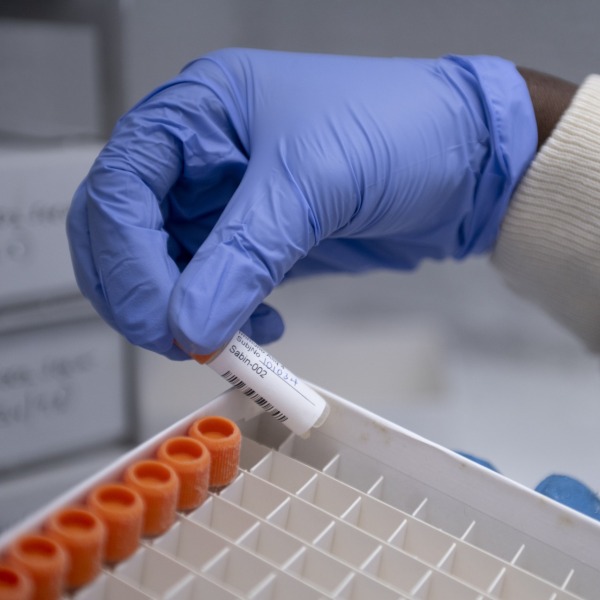
Underpinning the work of the Applied Epidemiology team is a commitment to the foundations of epidemiology through tracking the burden and spread of vaccine-preventable diseases. We work with hospital sites to conduct prospective clinical surveillance to monitor changes in disease burden, spread of antimicrobial resistance, and the impact of vaccine campaigns.

In all our research partnerships, Sabin provides an array of International Committee on Harmonization Good Clinical Practices activities, including bringing together research consortia, serving as study sponsor, designing protocols and training study teams, building data capture systems, monitoring study implementation and incoming data for quality control, and analyzing and disseminating results. All the while, our projects promote sustainability through capacity building for epidemiologic, laboratory, and analytical capabilities at our partner sites.

We conduct upstream work to characterize the burden of disease, generating evidence for decision-makers to make informed decisions on vaccine introduction. Currently, we are working with partners in Bangladesh, Nepal and Pakistan, as well as from Stanford University and Massachusetts General Hospital, to develop new, cost-effective serological surveillance tools for typhoid. These tools help us map typhoid’s burden of disease and support decision-makers as they consider how best to introduce life-saving vaccines.

We work with partners to provide data for decision-makers on the most cost-effective approaches to vaccine introduction. These activities optimize new vaccine introduction strategies and help communities see the life-saving benefits of vaccine introduction.

Our team doesn’t stop at the generation of data. Instead, we use the evidence produced through this high-caliber research to inform decision-making and set the agenda for global infectious disease prevention efforts. We transform the landscape for new advocacy and policy initiatives by coordinating global partnerships, convening decision-makers, and advocating for sustainable solutions. Most notably, Sabin is home to the Coalition against Typhoid (CaT), a global forum connecting researchers, advocates, practitioners and policy-makers to elevate typhoid, paratyphoid and invasive nontyphoidal Salmonella (iNTS) disease as global health priorities.

Denise Garrett
“The COVID-19 pandemic created pressure for an effective vaccine, which led to large doses being tested to ensure efficacy; however, if Sabin finds that lower doses can be as effective as full doses, more vaccines may be available for more people if they are needed.”
Denise Garrett
Vice President, Vaccine Epidemiology
Global Immunization

Sabin partnered with Kenya Medical Research Institute (KEMRI) to optimize the use of the oral cholera vaccine, examining dosing and effective intervals between doses. Funded by the Wellcome Trust, the study aims to inform vaccination strategies that could be beneficial in tackling the global resurgence of cholera as well as acute vaccine shortages.

Sabin was awarded up to $6.3 million from the Coalition for Epidemic Preparedness Innovations (CEPI) for a clinical trial to evaluate the immunogenicity and safety of lower, fractional doses of registered COVID-19 vaccines used as a booster dose.

Learn more about our partnerships in Bangladesh, Nepal and Pakistan track typhoid and paratyphoid and measure the impact of vaccine roll out. Also, read about our study to validate accessible tests for typhoid so that communities can better assess disease spread — and the need for vaccines.

With the Coalition against Typhoid, Sabin brings together researchers and scientists determine to eradicate this disease through improved sanitation and the introduction of vaccines.

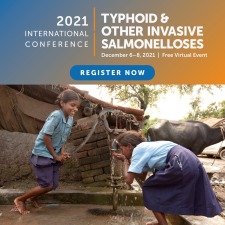
Every two years, we hold a conference that brings together researchers, policymakers and advocates to advance a clear agenda for prevention and control of typhoid and related diseases.

Publications and Journal Articles

OUR MISSION

We make vaccines more accessible, enable innovation and expand immunization across the globe.