









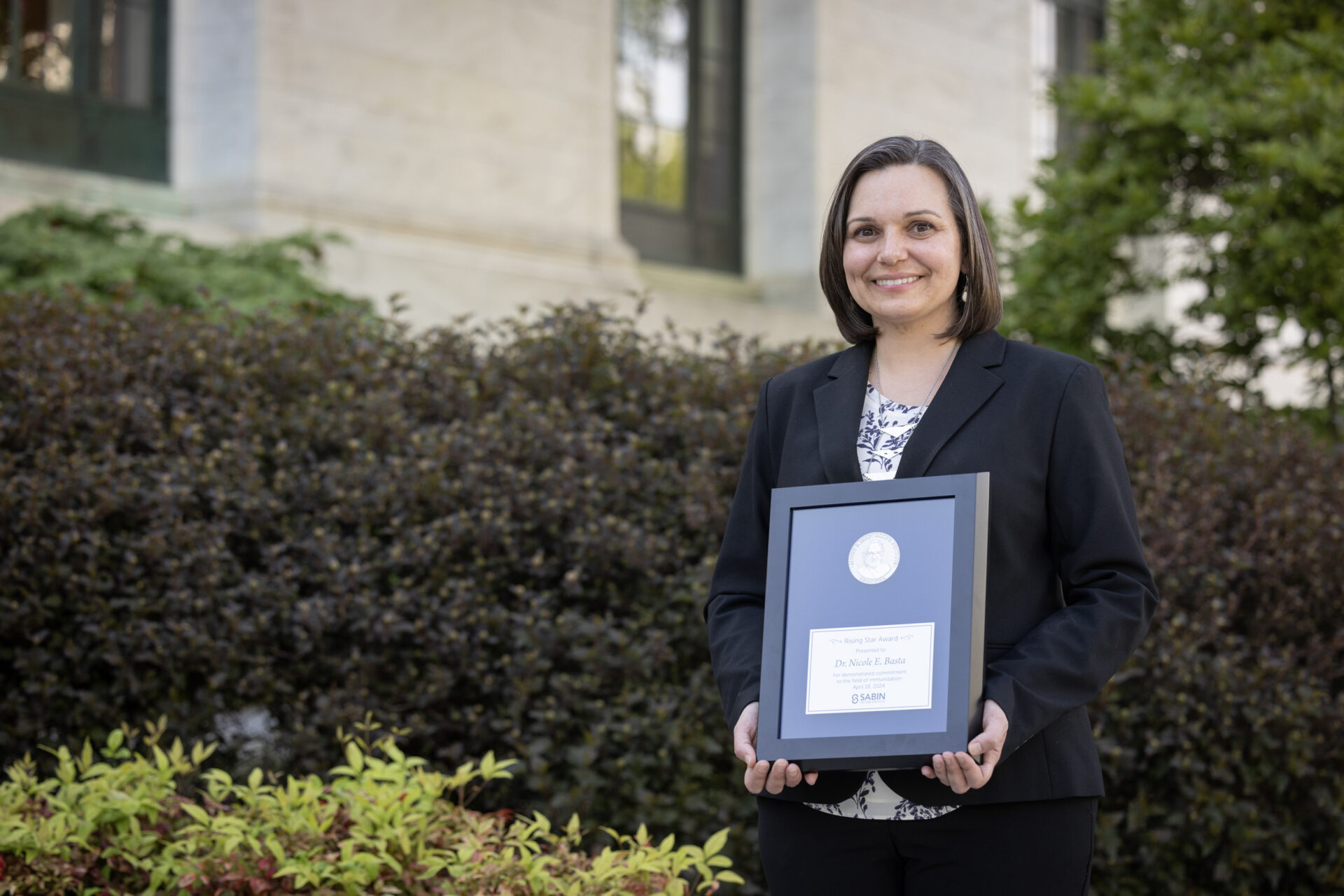
With 23 years in public health as an infectious disease epidemiologist, Nicole Basta continues to make headlines with groundbreaking studies on the effectiveness and optimization of vaccines.
In September, three studies she co-led as Respiratory Diseases Scientific Lead with the Vaccine Integrity Project, an initiative of the Center for Infectious Disease Research and Policy (CIDRAP) at the University of Minnesota, working in partnership with the American Medical Association made headlines with an independent review of the latest evidence on RSV, Influenza and COVID-19 vaccine effectiveness and safety. Published in the Journal of the American Medical Association (JAMA), the results provided significant evidence of the effectiveness of all three vaccines. The three papers were read more than 115,000 times in the first few weeks after release. (RSV; Influenza; COVID-19).
“With respiratory season in the northern hemisphere already under way, our work is an important reminder that getting immunized for RSV, influenza, and COVID-19 remains the very best and safest way to reduce the risk of serious complications caused by these diseases,” Basta said. (See Basta summarize the results on Unbiased Science.)

This summer, Basta was promoted to Full Professor in the Department of Epidemiology, Biostatistics, and Occupational Health in the School of Population and Global Health at the Faculty of Medicine and Health Sciences at McGill University. That followed her being named Canada Research Chair in Infectious Disease Prevention for a second 5-year term (through 2030) at McGill last year.
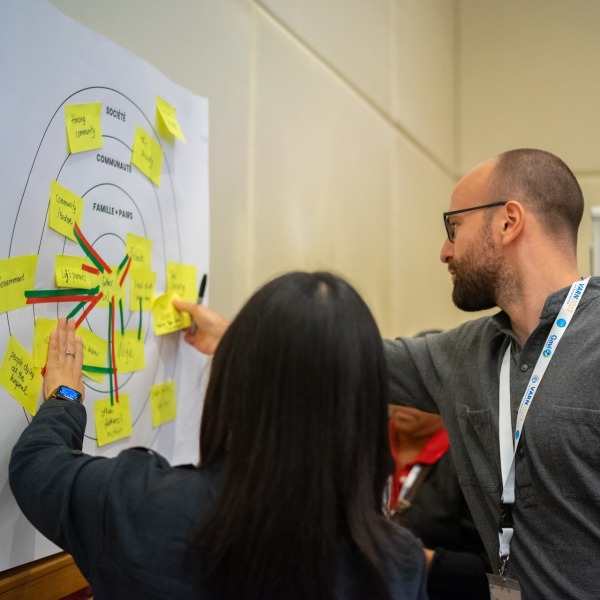
She also designed and lead a new vaccinology short course called “Innovations in Immunizations: Epidemiology, Effectiveness, and Equity (I3E3)” as part of the McGill University Summer Institutes in Global Health. “I had the distinct pleasure of welcoming more than 85 participants from nearly 25 countries for a dynamic and interactive week focused entirely on how we can tackle some of the most challenging issues in immunizations,” she says. She adds she was thrilled to host guest lectures given by two fellow Sabin Rising Star Awardees: Dr. Sangwe Clovis Nchinjoh and Dr. Mbianke Livancliff. She will offer the course again in May 2027.
Currently, she is leading a global assessment of meningococcal vaccination policies to better understand how these vaccines are being implemented in national immunization programs and to support the WHO SAGE Meningococcal Vaccines Working Group and the Roadmap to Defeat Meningitis 2030.
“Across these two decades, I’ve worked with many outstanding teams dedicated to reducing the risk of vaccine-preventable diseases,” she says. “Together, we’re helping people avoid the potentially severe and devastating outcomes that can result from what often seems like a simple infection.”