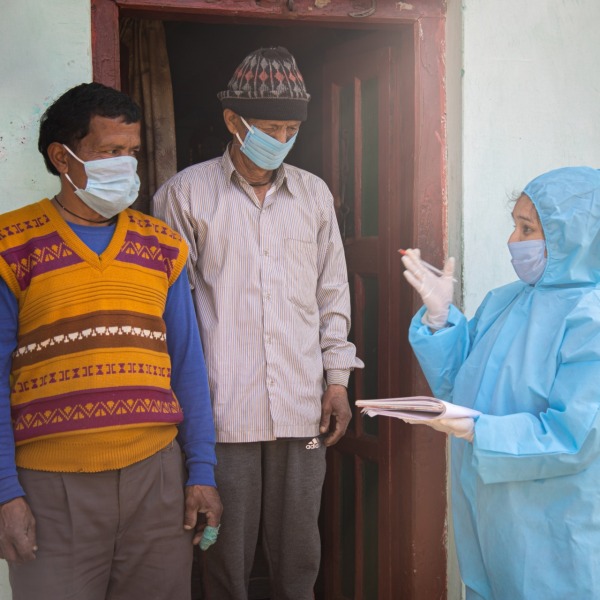
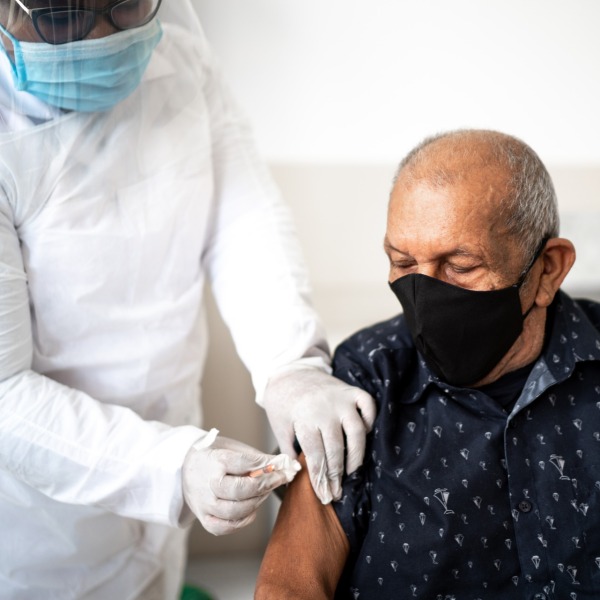
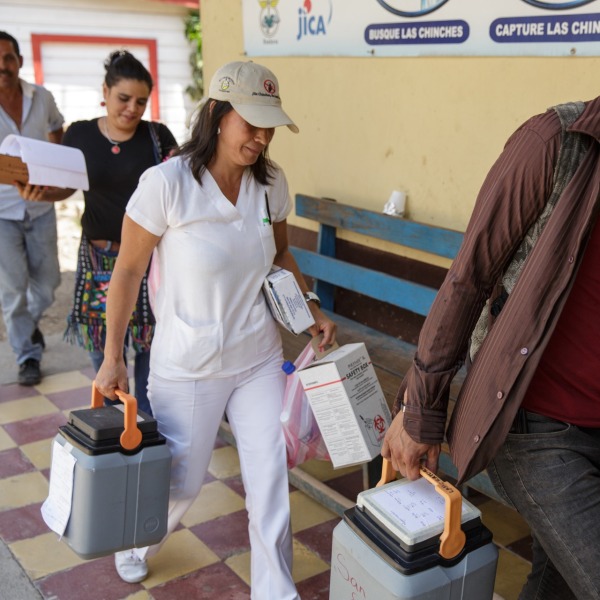
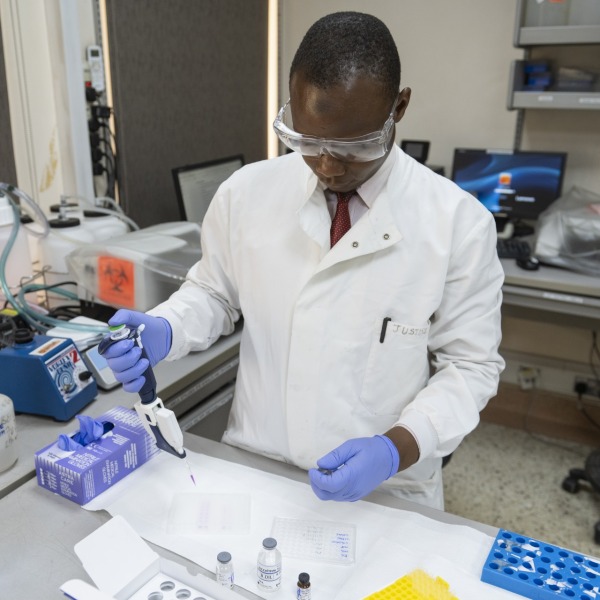
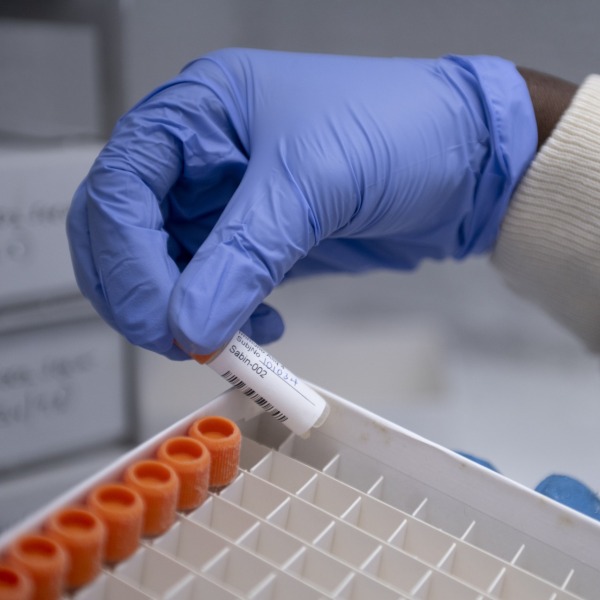
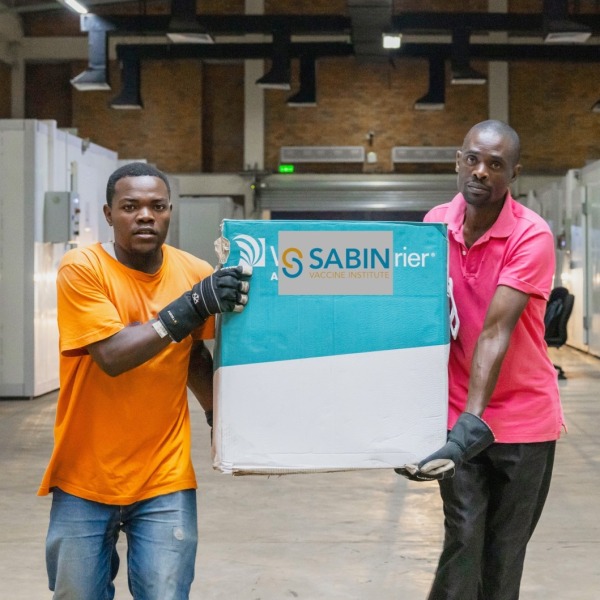
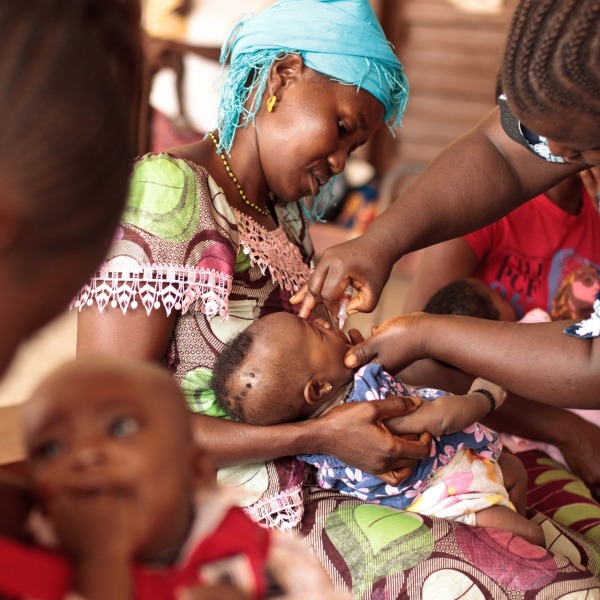
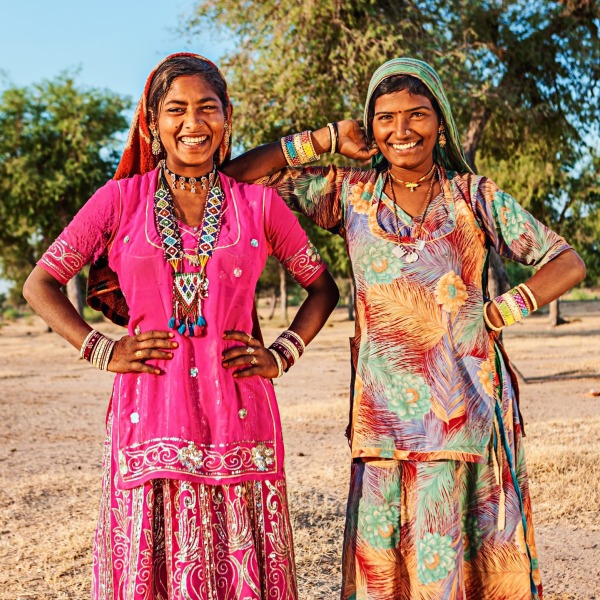
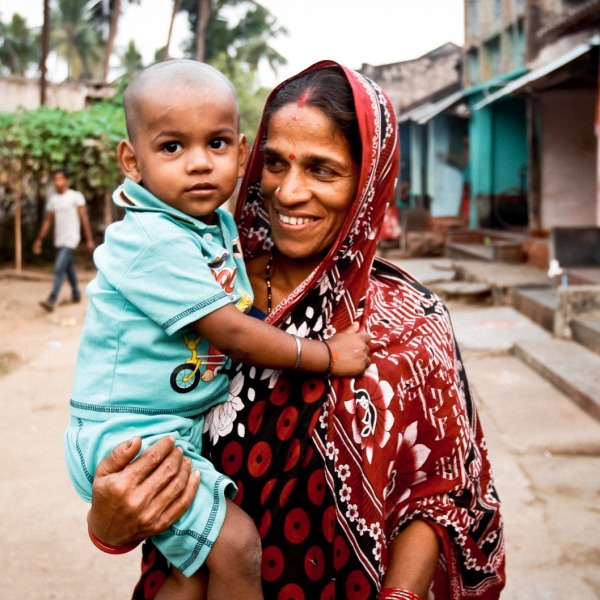
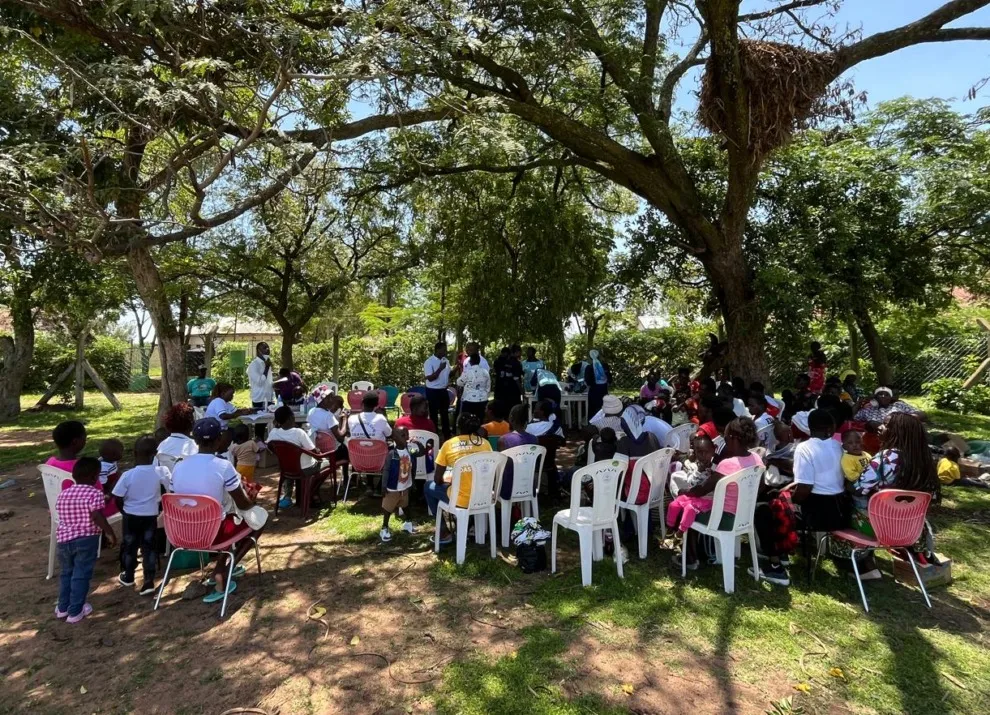
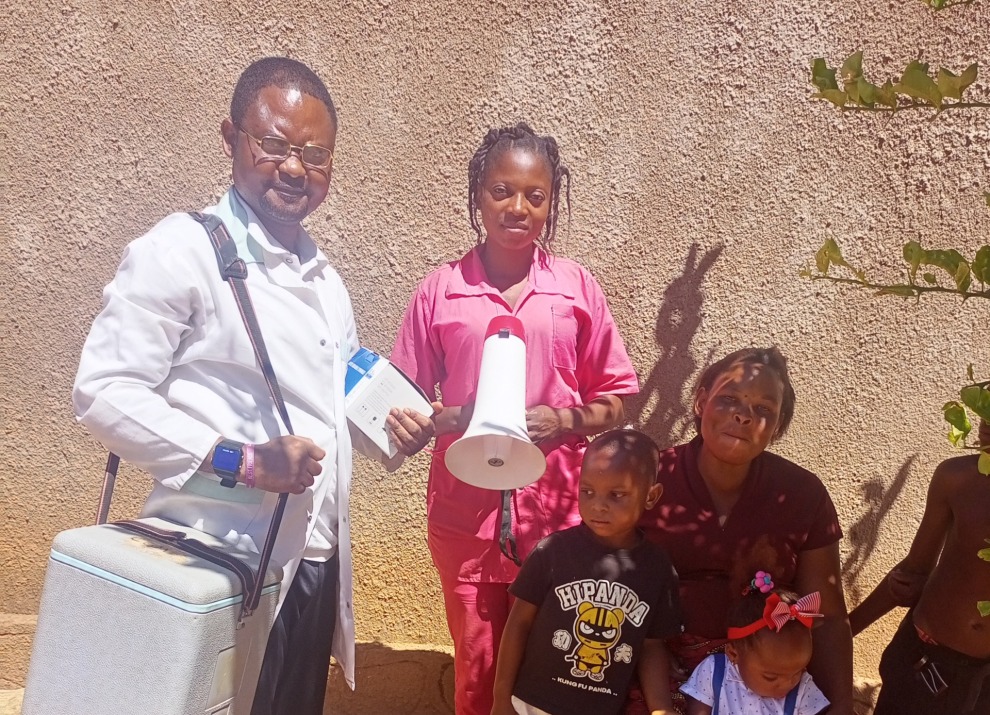
Outreach session in Siaya county, Kenya. Photo credit: Benedetta Loko
Each year, there are an estimated 282 million cases of malaria, and about 610,000 die from the disease, making it one of the world’s top three killer diseases (along with HIV/AIDS and tuberculosis). Africa accounts for approximately 95% of both cases and fatalities, with children under 5 making up about 76% of all malaria deaths.
When the World Health Organization approved the first malaria vaccine for children (RTS, S, or Mosquirix) in 2021, it was hailed as a historic milestone. When a second vaccine, R21, was approved in 2023, it provided a welcome boost to global vaccine supply. As of this year, 25 African countries have introduced malaria vaccines, and Gavi, the Vaccine Alliance has announced a goal of reaching 50 million children over the next four years.
From Vaccine Introduction to Vaccine Completion
Introducing the vaccine is only the first step. Ensuring children complete the full four-dose series has proven to be more difficult. In some countries, as few as 11% of children receive the fourth dose, which is given during the second year of life, most commonly around 18 months.
To address this challenge, Gavi launched the Malaria Vaccine Learning Agenda (MVLA), bringing together research teams across seven African countries to identify practical ways to improve malaria vaccine uptake and strengthen routine child health services. Sabin co-led the MVLA research in Liberia, in partnership with the University of Liberia School of Public Health, and in Kenya, alongside the Kenya Medical Research Institute (KEMRI), Liverpool School of Tropical Medicine, and the Centers for Disease Control and Prevention. Together with other research partners, Gavi’s MVLA evaluated strategies to optimize malaria vaccine delivery and uptake across seven countries: Benin, Burkina Faso, Guinea, Kenya, Liberia, Mozambique, and Nigeria.
MVLA Capstone Workshop
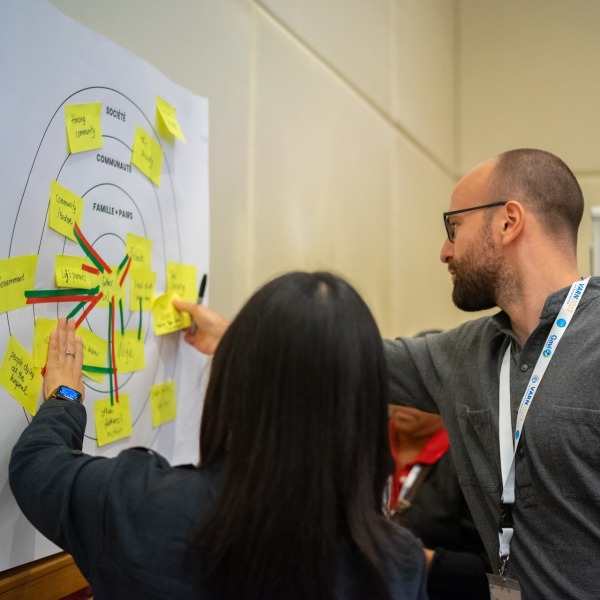
As the seven-country research initiative concluded, Sabin co-led, alongside Gavi and the MVLA advisory committee, the MVLA Capstone Workshop in Kisumu, Kenya. The workshop brought together more than 40 researchers, Ministry of Health representatives, and global partners to share findings, synthesize cross-country lessons, and translate evidence into practical recommendations for policy and malaria vaccine implementation.
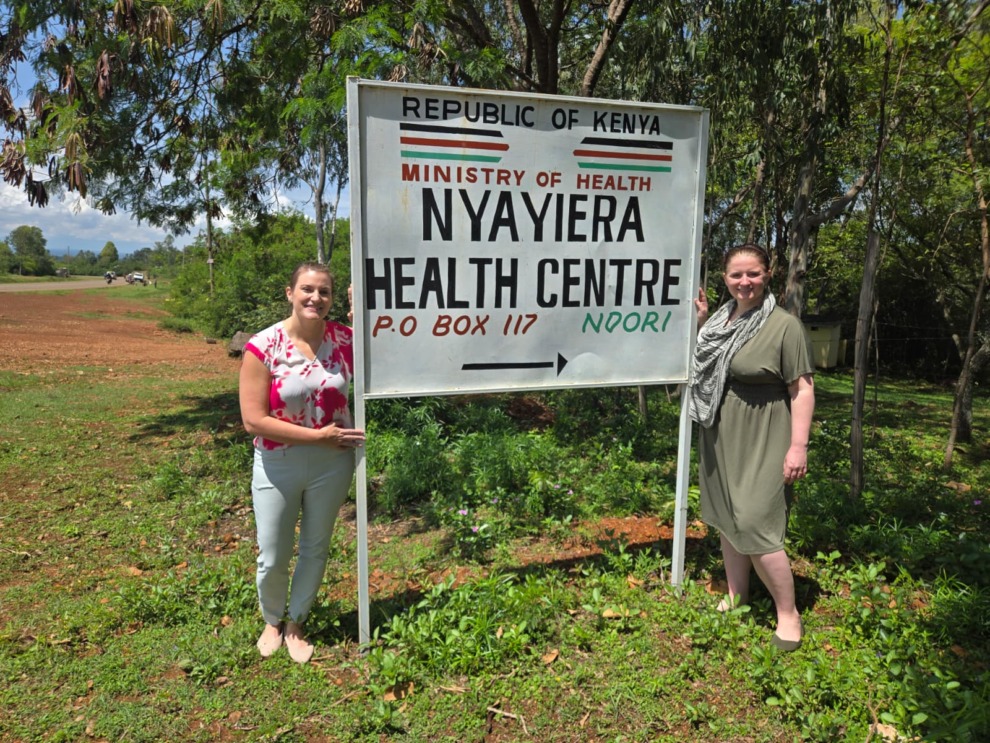
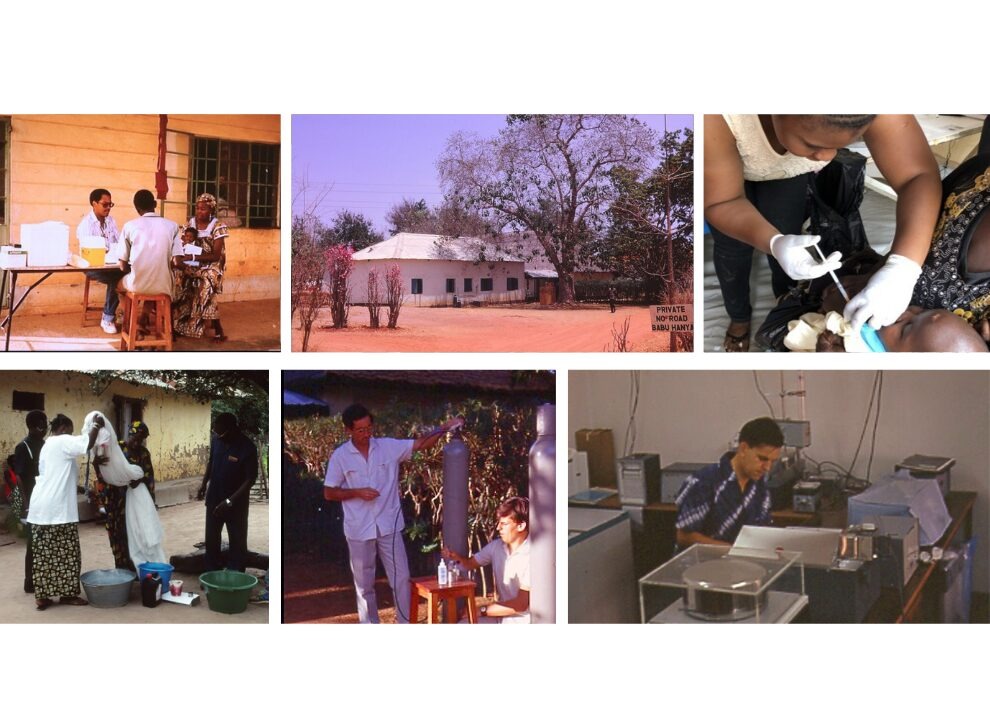
Sabin’s Kate Hopkins and Lis Wilhelm at Kenya study site. Photo credit: Meg Sharafudeen
Although each country tested different interventions, several consistent strategies and lessons emerged across the seven-country initiative:
Effective Interventions
Proactive identification of missed children
Screening vaccination status during routine health visits, outreach activities, and community interactions helped identify large numbers of under-vaccinated children who might otherwise have been missed.
Defaulter tracing and follow-up
Phone calls, SMS reminders, community health worker visits, and referral systems helped caregivers return for missed doses, particularly the later doses in the series.
Integration with existing health services
Bundling malaria vaccination (particularly dose 4) with routine immunization, vitamin A, deworming, growth monitoring, insecticide-treated net distribution, and other child health services reduced missed opportunities and improved efficiency.
Community health worker engagement
Community health workers and promoters played a critical role in identifying missed children, generating demand, supporting referrals, and linking communities with health facilities.
Key Takeaways
The biggest challenge is often systems, not demand.
Across countries, caregivers generally accepted malaria vaccination. Missed doses were more often linked to service delivery gaps, weak follow-up systems, and missed opportunities than to vaccine hesitancy.
Simple improvements can have a large impact.
Relatively low-cost approaches such as screening, referral systems, appointment tracking, and community follow-up consistently improved uptake and completion.
Integration strengthens performance.
Bringing malaria vaccination into existing child health platforms increased convenience for families and reduced fragmentation of services.
Many successful interventions were not entirely new.
Several effective approaches reflected practices that already existed in policy or guidance but were not consistently implemented. Refresher training, supportive supervision, clear procedures, and accountability mechanisms were often needed to make them work reliably.
Community health workers are essential but need support.
Their success depended on training, supervision, transportation, communication tools, and integration into routine health systems.
While challenges remain, the MVLA findings show that relatively simple improvements to routine systems can help more children receive the full benefits of malaria vaccination and other essential health services.
For more on Sabin’s MVLA results, see the project summary.
This website uses cookies to improve your experience while you navigate through the website. Out of these, the cookies that are categorized as necessary are stored on your browser as they are essential for the working of basic functionalities of the website. We also use third-party cookies that help us analyze and understand how you use this website. These cookies will be stored in your browser only with your consent. You also have the option to opt-out of these cookies. But opting out of some of these cookies may affect your browsing experience.
Necessary cookies are absolutely essential for the website to function properly. These cookies ensure basic functionalities and security features of the website, anonymously.
Cookie
Duration
Description
cookielawinfo-checkbox-analytics
11 months
This cookie is set by GDPR Cookie Consent plugin. The cookie is used to store the user consent for the cookies in the category "Analytics".
cookielawinfo-checkbox-functional
11 months
The cookie is set by GDPR cookie consent to record the user consent for the cookies in the category "Functional".
cookielawinfo-checkbox-necessary
11 months
This cookie is set by GDPR Cookie Consent plugin. The cookies is used to store the user consent for the cookies in the category "Necessary".
cookielawinfo-checkbox-others
11 months
This cookie is set by GDPR Cookie Consent plugin. The cookie is used to store the user consent for the cookies in the category "Other.
cookielawinfo-checkbox-performance
11 months
This cookie is set by GDPR Cookie Consent plugin. The cookie is used to store the user consent for the cookies in the category "Performance".
viewed_cookie_policy
11 months
The cookie is set by the GDPR Cookie Consent plugin and is used to store whether or not user has consented to the use of cookies. It does not store any personal data.
Functional cookies help to perform certain functionalities like sharing the content of the website on social media platforms, collect feedbacks, and other third-party features.
Performance cookies are used to understand and analyze the key performance indexes of the website which helps in delivering a better user experience for the visitors.
Analytical cookies are used to understand how visitors interact with the website. These cookies help provide information on metrics the number of visitors, bounce rate, traffic source, etc.
Advertisement cookies are used to provide visitors with relevant ads and marketing campaigns. These cookies track visitors across websites and collect information to provide customized ads.